
The environmentally sound treatment of plastic waste is a systematic project, where selecting appropriate methods and pursuing efficient processing are crucial for achieving resource cycling and environmental protection.
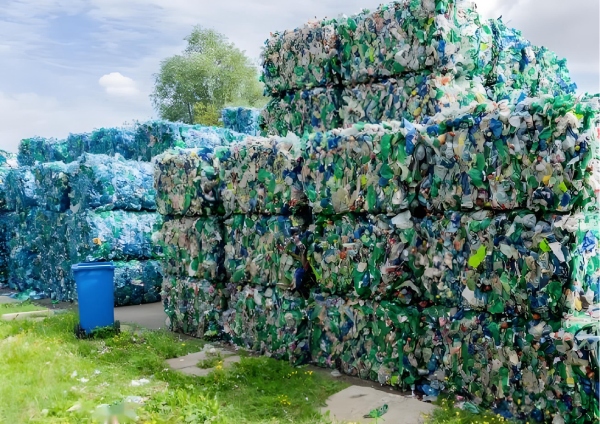
Eco-friendly plastic waste treatment methods are primarily divided into mechanical recycling and chemical recycling. Mechanical recycling typically involves physical processes such as crushing, cleaning, and melting to reprocess waste plastics into recycled plastic pellets. While this approach is technologically mature, it requires high feedstock cleanliness, may lead to degraded performance in recycled plastics, and often results in “downcycling”. It is best suited for single-category, low-contamination plastics like PET beverage bottles and HDPE containers.
Another approach, chemical recycling, involves breaking down plastic polymers into small molecules—such as new plastic monomers, fuel oil, or chemical feedstocks (e.g., propylene, ethylene)—through high-temperature or chemical reactions. Chemical recycling can handle mixed and contaminated plastics, achieve “upcycling,” and produce high-value outputs. It is particularly suitable for low-value, mixed plastics like flexible packaging and films, enabling energy recovery with significant volume and weight reduction benefits. Often referred to as “advanced polymer recycling technology,” it also offers operational simplicity and lower costs.
How to Choose the Most Efficient Plastic Recycling Solution?
“Efficiency” here means not only processing speed but also the optimal balance of environmental, resource, and economic benefits. To achieve the most efficient treatment, one core principle should guide the decision:
– For clean, dry, and uncontaminated plastics (e.g., water bottles, milk jugs), mechanical recycling is the most suitable option.
– For plastics contaminated with oils or residues (e.g., takeout containers, plastic bags), where cleaning costs are prohibitively high, chemical recycling demonstrates clear advantages.
Chemical recycling shows immense potential for processing large volumes of low-value, mixed plastic waste. High-tech enterprises like Niutech, based in China, have developed self-developed pyrolysis equipment that directly converts mixed plastics into high-value pyrolysis oil and combustible gas, achieving a product yield of over 99%. By converting plastic into fuel, we are essentially “eating and squeezing out” the waste plastic, transforming it from a “white pollution” into a “white oil field”. The net revenue per ton of plastic processed via chemical recycling significantly exceeds that of incineration or landfilling, while also saving substantial crude oil consumption.
Niutech’s technical capabilities have been validated not only domestically but also recognized globally. Its technology and equipment have been exported to dozens of countries and regions, including Germany, the UK, Brazil, Hungary, and South Korea.
A waste plastic pyrolysis production line—invested and equipped by Niutech—has completed acceptance checks and entered commercial operation, with the resulting products used to manufacture new plastic items, achieving a closed-loop chemical recycling system.
In 2025, Niutech signed a single-project contract worth RMB 198 million with a UK client, demonstrating that its pyrolysis products meet international market demands and positioning the company as a representative of Chinese technology going global.
Through continuous technological innovation, rational policy guidance, and a healthy industrial ecosystem, plastic pyrolysis technology is poised for broader development prospects, providing robust support for global plastic pollution management and resource cycling.