
Amid the current surge in oil prices triggered by the Iranian conflict, tire pyrolysis oil, as a substitute for crude oil, has also risen in tandem, playing the dual role of a “crisis buffer” and a “resource recycling link.” By transforming a significant environmental burden into localized energy and high-value materials, it provides a highly resilient supplementary solution for the tire industry, which is heavily dependent on imported petrochemical feedstocks.
Scrap tires, as a source of black pollution, pose a serious hazard to the environment, making their treatment a prominent environmental issue today. Scrap tire pyrolysis is currently the most popular method for processing scrap tires and is widely regarded as the ultimate treatment approach. Scrap tire pyrolysis is a complex process encompassing both physical and chemical recycling, the fundamental principle of which involves using thermal energy at high temperatures to decompose the high-molecular compounds in tires into low-molecular compounds. Rubber pyrolysis technology has developed rapidly in recent years. Notably, companies like Niutech are promoting the application of this technology and its equipment globally, creating a profound impact in the fields of environmental protection and energy.
Through nearly 40 years of technological accumulation, Niutech has independently developed its “Key Technology and Equipment for the Resourceful Disposal of Scrap Tires via Industrial Continuous Pyrolysis.” This technology achieves a scrap tire pyrolysis rate exceeding 99%, yielding products such as pyrolysis oil, carbon black, steel wire, and combustible gas from scrap tires. Among these, pyrolysis oil is the primary product, and this process is also known as “tire-to-fuel” because, as a substitute for crude oil, its price is influenced by international crude oil prices. Tire pyrolysis carbon black, as an important chemical product, also has a wide range of applications.
Niutech’s success lies not only in its technological breakthroughs but also in the rigorous validation and widespread recognition its technology has received in global markets, achieving a leap from technology export to business model export. Niutech’s technology and integrated equipment have obtained rigorous international certifications, including EU CE certification, German TÜV certification, ATEX explosion-proof certification, and ISCC International Sustainability and Carbon Certification. This signifies that its products fully meet or even exceed developed country standards in terms of safety, environmental protection, quality, and carbon reduction contributions, making Niutech one of the few domestic suppliers capable of overcoming international technical barriers.
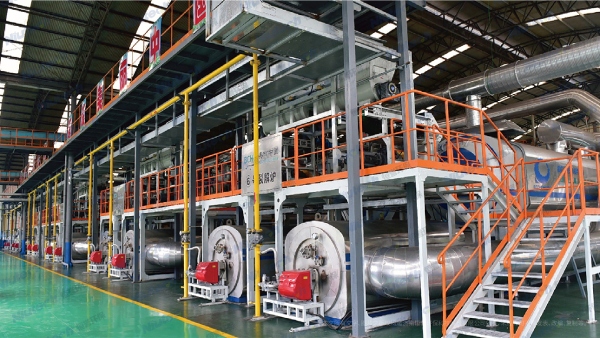
With projects, its equipment has been successfully exported to dozens of countries and regions, including Germany, the United Kingdom, Denmark, Brazil, Hungary, and South Korea. Particularly in the European market, its solutions have gained deep recognition. In 2025, Niutech once again received a repeat order from a long-standing European client, with a contract value of $14 million. This marks their fourth collaboration in Europe, fully demonstrating the reliability of its technology and the sustainability of its business model.
To enhance the stability and sustainability of its development, Niutech is actively exploring business model innovation, upgrading from a single equipment supplier to a comprehensive service provider offering “equipment + operation.”
Scrap tire pyrolysis treatment, with its thorough harmlessness, high-value resource recovery, and strong economic benefits, demonstrates tremendous development advantages. Niutech’s global practices prove that China’s environmental protection technology and equipment are fully capable of reaching world-leading levels and providing mature, reliable “Chinese solutions” for the global circular economy and sustainable development.