
Recovered carbon black refers to the carbon black material recovered from waste tires, waste rubber, and other waste streams through pyrolysis or other chemical treatment processes. It offers advantages such as high specific surface area, good dispersibility, excellent electrical conductivity, and environmental friendliness, making it potentially valuable in a wide range of applications including the rubber industry, plastic processing, road engineering, battery manufacturing, coatings, and inks. As a sustainable, environmentally friendly industrial raw material, it serves as an important substitute for traditional virgin carbon black.
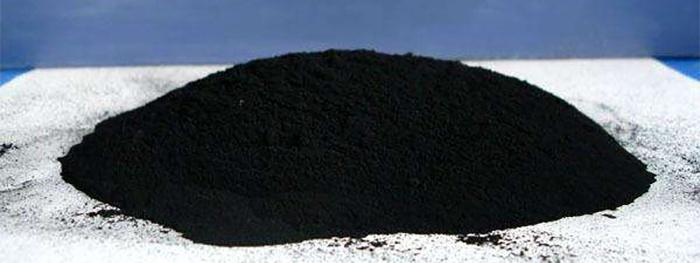
In terms of market size, the global recovered carbon black market is in a period of rapid growth. According to market research data, the global recovered carbon black market was valued at approximately $545 million in 2024 and is projected to reach $2.139 billion by 2032, representing a compound annual growth rate of 21.56%. In 2025, the Chinese recovered carbon black market exceeded RMB 10 billion, with an average annual compound growth rate exceeding 15%. This growth trajectory is driven by a combination of multiple factors:
Pyrolysis carbon black, as the core product of scrap tire pyrolysis, is gradually becoming an important industrial raw material to replace traditional virgin carbon black, owing to its environmental attributes and continuously improving product performance. Chinese pyrolysis technology enterprises represented by Niutech, with their continuous, intelligent technology and equipment and global industrial layout, are providing replicable and scalable technology and equipment for global scrap tire resource utilization and the application of recovered carbon black.
Recovered carbon black is increasingly favored by enterprises due to its low-carbon and environmentally friendly characteristics. Compared with traditional carbon black, the production process of recovered carbon black can significantly reduce carbon emissions while greatly decreasing dependence on fossil fuels. Each ton of recovered carbon black produced can reduce approximately 3 tons of carbon dioxide emissions compared with virgin carbon black, giving recovered carbon black a competitive edge in applications within the rubber, plastics, and other industries.
Scrap tire pyrolysis technology, which produces high-value-added products such as pyrolysis carbon black, pyrolysis oil, steel wire, and combustible gas through a pyrolysis system, is currently the core pathway for achieving resource recovery, harmless treatment, and volume reduction of scrap tires—representing a chemical recycling process.
In terms of global project cases, Niutech’s equipment has been successfully exported to dozens of countries and regions, including Germany, the United Kingdom, Denmark, Brazil, Hungary, and South Korea. Notably, in Zouping, Shandong—a hub for tire recycling plants—a tire pyrolysis project has been established. Through pyrolysis oil production systems, the rubber pyrolysis process is fully optimized, achieving nearly 100% resource utilization.
In terms of improving the quality of recovered carbon black (rCB), Niutech has independently developed a “Complete Technology and Equipment for Activation of Pyrolysis Carbon Black.” Through processes such as activation and modification, this technology transforms lower-quality pyrolysis carbon black into high-value-added products that can partially replace commercial carbon black, with stable quality that meets the demands of overseas carbon black markets in key performance indicators and commands attractive market prices.
As global concerns over the dependence of virgin carbon black production on fossil fuels intensify, recovered carbon black, as a sustainable alternative material, is transitioning from a niche recycled product to a strategic circular material for manufacturers. Pyrolysis carbon black, after deep processing, can replace commercial carbon black in tire manufacturing, supporting the closed-loop circular economy.
Niutech’s technology and integrated equipment have obtained seven major international certifications, including EU CE, German TÜV, ATEX explosion-proof, and ISCC International Sustainability and Carbon Certification. Among these, the dual ISCC-EU/PLUS certification makes it a compliant solution under the EU’s Carbon Border Adjustment Mechanism (CBAM), with pyrolysis products—pyrolysis oil and recovered carbon black (rCB)—approved for entry into high-end chemical markets.
The strong demand in the recovered carbon black market is injecting powerful momentum into the scrap tire pyrolysis industry. From policy drivers to market pull, from technological breakthroughs to industrial applications, scrap tire pyrolysis technology is unleashing its vast environmental and economic benefits on a global scale.